Tough Love: Business Edition
Stop Fixing The Wrong Thing.
Most businesses aren't stalling because of the market, the team, or the software. Find out what's actually in the way.
Keynote Speaker & Business Diagnostician for Service Industry Owners
Speaking
Tough Love delivered live.
Book Rebecca for your next builders association event, conference, or leadership meeting. Your audience will leave knowing exactly what's been stalling their growth — and what to fix first.
Diagnostics
Find out what's actually broken.
Before you hire, invest, or overhaul anything — get a clear picture of what's actually in the way. A focused evaluation, a straight report, and a path forward.
The Blog
Straight talk. No fluff.
Real insights for service business owners who are tired of generic advice. Weekly. Readable in under five minutes. The truth about what's keeping you stuck.
You built something real.
You're busy from the minute your boots hit the floor until you lock up at night. But somehow the important stuff never gets done.
Your crew has been with you five years and they still call you twenty times a day. You hired people — but you didn't really let go of anything.
You haven't taken a real vacation in years. And somewhere along the way you started wearing that like a badge of honor.
You tell yourself you can run operations and handle sales at the same time. But deep down you know that's not actually working.
The business you built to give you freedom has become the thing that owns you.
There's a reason for that. And it's probably not what you've been trying to fix.
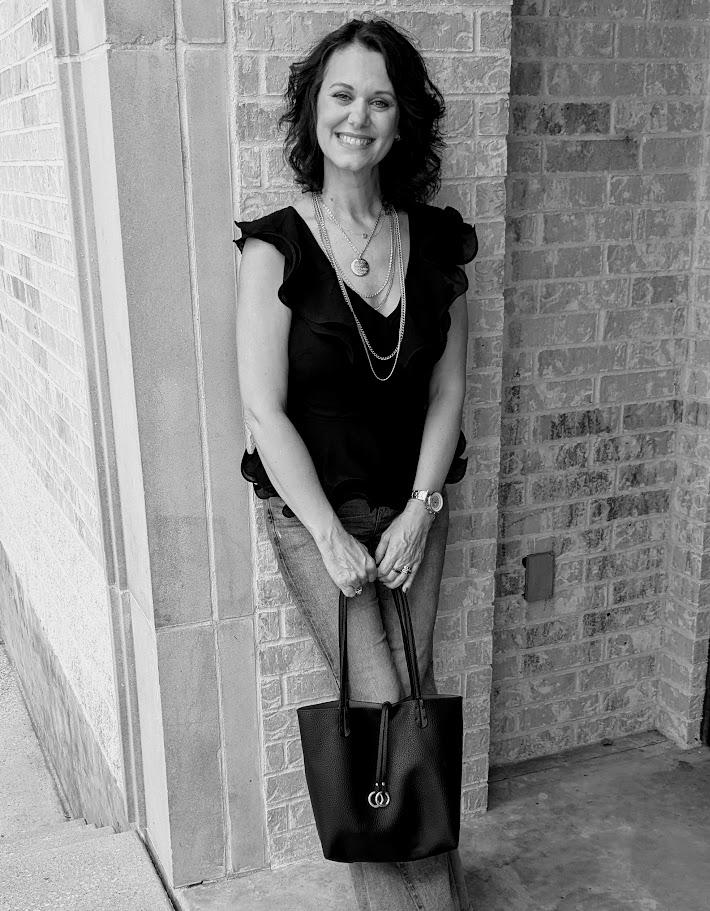
"If something isn't working — I'll find it."
- Rebecca Dahlberg
I look at your business through fresh eyes.
I follow your customer experience from start to finish and find where you're dropping dollars. I find what isn't working so we can start moving you forward — whatever that looks like for you.
If you have that nagging feeling that something isn't right but you can't put your finger on it — that's exactly where I come in.
62
Employees at peak
$15M
Revenue built from $500K
12
Years in service business
3
Industries. Same problem, every time.
Ready to find out what's actually in the way?
© 2026 Rebecca Dahlberg · Business Diagnostician